
About Us
The Tick Global Network (est. 2025) is an international professional community for researchers, including students, focused on tick biology and aspects related to their biology.
TickGN's mission is to advance tick biology by establishing, developing and strengthening connections across the global tick research community.
TickGN supports international communication, activities, networking and collaboration for the tick research community. We look forward to growing and developing new initiatives in the coming years. Your input is important to us, please email us if you have any suggestions (such as a tick working group you might be interested in leading), comments, or questions.
We are focused on tick biology, including all tick species and all tick-associated diseases. TickGN is global, opt-in, and free to join. Our members come from academia, government, and non-profits.
The value of a tick-focused network has been recognised for many years. In developing TickGN, we reflected on the impact of earlier tick-related networks active throughout the 1980s, 1990s, and 2000s. For example, the Integrated Consortium on Ticks and Tick-borne Diseases played an important international role in supporting and advancing tick research.
TickGN's logo is inspired by the cover image of Harry Hoogstraal’s momentous Bibliography of Ticks and Tickborne Diseases.
The three ticks are the taxonomic type species for the three tick families:

Nuttalliellidae Schulze, 1935

Ixodidae C. L. Koch, 1844

Argasidae C. L. Koch, 1844
_adultSEX_mouthparts_100x_01.png)
Around 1,000 tick species have been described so far and all are obligate blood feeders.
Ticks can harm their vertebrate hosts either directly or by transmitting disease-causing pathogens through their saliva. These organisms are therefore associated with dozens of diseases worldwide, the most well-known being Lyme disease (Lyme borreliosis). The unique biology of ticks continues to be an active area of research.
Meet Our Team







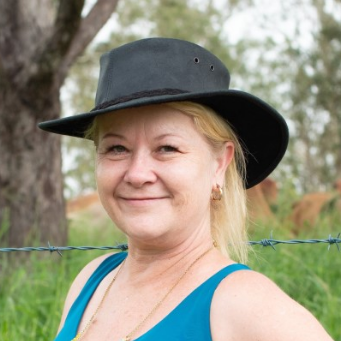


The Tick Global Network has been created with the support of a grant from The Beech Tree Trust to Isobel Ronai.
Words cannot express our deep gratitude to The Beech Tree Trust for recognising the importance of establishing a dedicated network for the global tick research community.
We gratefully acknowledge the Rhode Island Natural History Survey for providing administrative support during the creation of TickGN. In addition, thank you to Stellate Communications for designing the website and for their ongoing support with web and newsletter administration.
Thank you to the many members of the tick research community who contributed resources now available through TickGN. Several of these resources were previously accessible only on a limited or private basis, so we sincerely appreciate the permission to share them with the broader community.